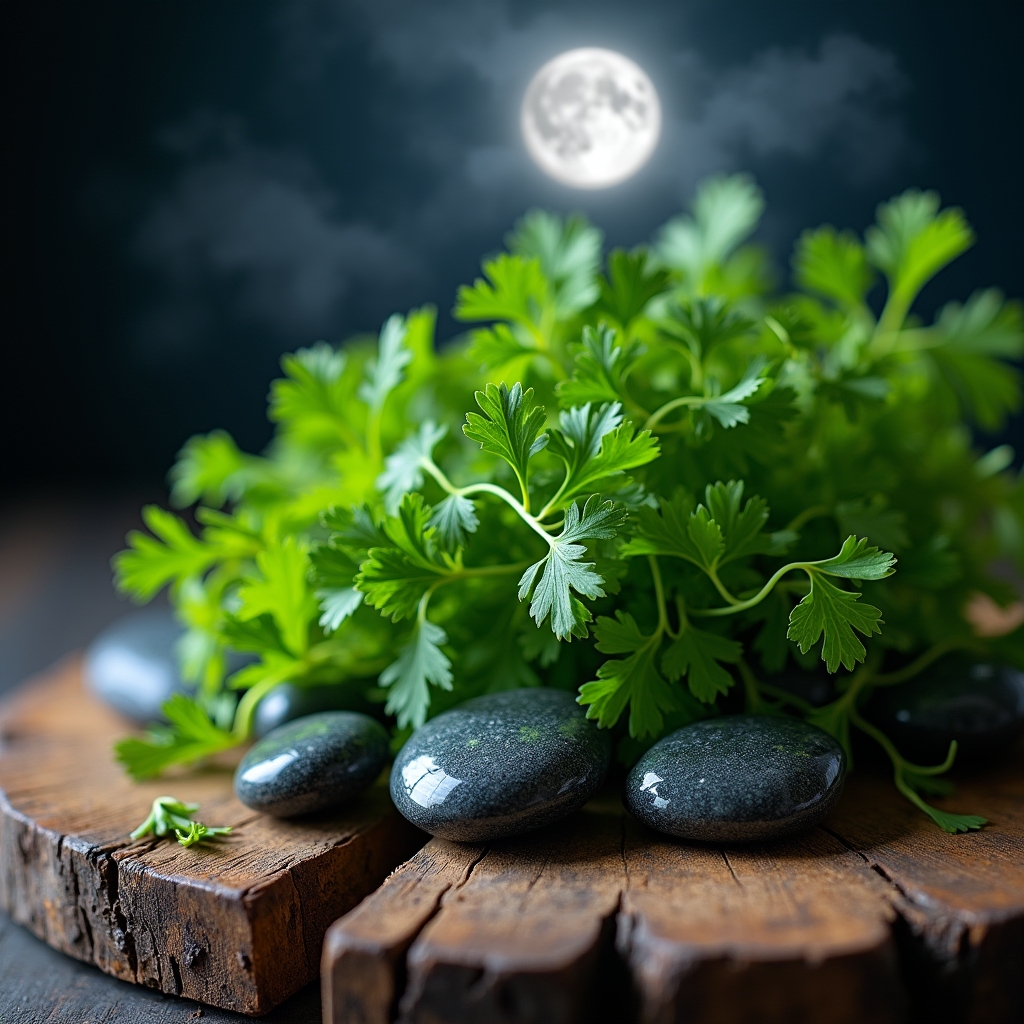

As the Waxing Gibbous Moon climbs in Scorpio on May 29, 2026, the world grows vivid with hidden details. This is a time to pause, sharpen perception, and turn inward—welcoming the subtle truths that surface just before fullness, and choosing what deserves your attention before the moon spills its silver secrets.
What comes into focus under the Waxing Gibbous Moon in Scorpio
A glass of water left on the windowsill catches the late light differently when the moon is nearly full. Nothing in the room has changed, yet edges seem sharper. Dust on the frame, a fingerprint on the glass, the slight bend of a stem in a jar: details ask to be noticed. This is how the waxing gibbous phase often works. It does not whisper of beginnings, and it is not yet the release of fullness. Instead, it presses gently toward refinement. What has already been set in motion now asks for honesty.
With Scorpio coloring the mood, that honesty tends to travel below the surface. A passing irritation may reveal an older fear. A strong attraction may point toward a neglected hunger. The useful question is not why am I feeling so much? but what is this feeling trying to show me about where my strength is tied up? Scorpio is less interested in performance than in roots. Under this moon, self-observation becomes most fruitful when it is specific: the conversation you keep replaying, the task you avoid though it matters, the place in the body that tightens when you say yes too quickly.
There is power in noticing what has become overgrown. Not everything hidden is dangerous; sometimes it is simply unclaimed. A talent left unused. A boundary never spoken aloud. A grief that has been carrying wisdom in silence. The moon’s growing light suggests that these are not fragments to fear, but materials to work with. Shadow, here, is not a sentence. It is compost. It can feed the next version of your life if you are willing to turn it over with steady hands.
A small practice suits this phase better than grand declarations. In the evening, sit with a notebook and write three lines only: what feels strong, what feels strained, and what needs pruning. Keep it plain. “Strong: I can concentrate when I stop checking for reassurance. Strained: my patience in family conversations. Needs pruning: the habit of apologizing before I speak.” The value lies in naming the shape of things before they harden further.
Jupiter widens the room, but the listening must stay close
There are days when thought behaves like rainwater, collecting in familiar grooves. Then there are days when a wider horizon appears almost suddenly, as if a door in the mind has been left ajar. Jupiter brings that widening. It can enlarge hope, generosity, and faith in what may still be possible. Paired with a deeper, water-marked mood, it does not ask for louder ambitions so much as truer perspective.
This matters because reflection can sometimes become a hall of mirrors. One memory leads to another; one doubt breeds ten interpretations. Jupiter interrupts that narrowing by reminding you to look for meaning, not just evidence of what hurts. If Scorpio asks you to descend, Jupiter asks what treasure is worth bringing back up. The combination favors the kind of self-examination that changes conduct, not the kind that circles endlessly around the same wound.
One practical way to work with this tone is to place one larger question beside one immediate fact. For example: Where do I want more abundance in my life? Then answer it with something grounded: I want more ease in my mornings, so I need to stop ending the night in scattered distraction. Or: I want richer friendships, so I need to say what I actually feel before resentment builds. Expansion becomes useful when it lands in a habit, a room, a conversation, a calendar.
If a crystal belongs here at all, it is only as a tactile anchor. A piece of sodalite or amethyst held in the palm can help steady thought when reflection becomes foggy, not because the stone does the work for you, but because weight and coolness can return the mind to the body. The real task remains simple and demanding: to see more clearly without drifting away from what is real.
Parsley on the cutting board: a modest way back to balance
Parsley rarely enters a kitchen like a grand oracle. It arrives bundled, green and bright, often overlooked beside stronger scents. Yet that very plainness gives it a quiet kind of wisdom. Its clean, vivid taste cuts through heaviness. Its leaves lift a bowl of soup, a plate of beans, warm potatoes with oil and lemon. On a day that asks for clearer perception, parsley offers a practical lesson: balance is often restored by freshening what has become dense.
There is something calming in the act itself. Rinsing the stems. Shaking off the water. Chopping the leaves until the board smells green and alive. That gesture can become a form of recollection, a return to center through the hands. If the mind has been tangled in old stories, make a simple meal and finish it with a generous handful of parsley. Notice how bitterness, salt, and warmth change when brightness is added. The body often understands adjustment before the mind does.
The symbolism is fitting. Parsley has long been associated with cleansing and renewal, but its lesson need not become dramatic. It can be enough to ask: where has my day become too heavy, too stale, too inwardly cluttered? Then answer with one modest correction. Open the window. Clear the cup-strewn table. Add fresh herbs to lunch instead of eating distractedly over the sink. Small acts of order can help feelings settle into proportion.
A gentle kitchen ritual may suit the evening: chop parsley with a little lemon zest, olive oil, and a pinch of salt, then spoon it over something plain and nourishing. As you do, name one thought you are ready to clarify rather than brood over. Keep the wording simple. “I need rest, not more stimulation.” “I need a direct conversation, not another imagined one.” “I need to tend what is already growing.”
Always use herbs mindfully and check for any personal contraindications.
Hematite: presence, touch, and concrete listening
The hand often knows before the mind admits it. A cool stone resting in the palm, dark as wet soil after rain, can interrupt the habit of drifting into old stories. Hematite is useful here not because it promises escape, but because it asks for weight, contact, and honesty. Under a swelling moon, when feelings intensify and hidden motives rise closer to the surface, that kind of grounded attention becomes a form of clear seeing.
This is where reflection becomes more than thought. Scorpio’s depth can stir what has been sealed away: envy disguised as ambition, grief hidden beneath competence, desire buried under duty. Hematite does not soften these truths into pretty language. It helps give them edges. Touching something solid while naming what is actually present can keep the heart from flooding and the mind from dramatizing. What am I avoiding? What am I strengthening? What deserves refinement before it grows larger?
If you keep a piece of hematite, hold it for a few quiet breaths near a window in the evening, when the light begins to thin. Feel its temperature. Notice the pressure of your feet on the floor. Then choose one area of life that is asking to come into focus: money, trust, work, the body, intimacy. Write one sentence about it that contains no performance and no excuse. The value lies in the plainness.
A small bundle of parsley on the kitchen table can deepen this same practice in an unexpectedly ordinary way. Its scent is clean, green, slightly sharp—the fragrance of something freshly cut and still full of water. Parsley has long been linked with purification and renewal, and here it serves well as a modest ally: chop a little into a simple meal and let the act remind you that clarity is often built through small, repeated gestures. Always use herbs mindfully and check for any personal contraindications.
Threshold offering
At a doorway, everything pauses for a breath. The latch, the worn wood, the mat carrying traces of dust and leaves from the day: these are humble places, but they understand transition. When the moon is nearing fullness, life can feel similarly unfinished yet unmistakably gathering force. An offering at the threshold honors that exact condition. Not complete, not hidden. Becoming visible.
This need not be elaborate. A small bowl of water, a sprig of parsley, and a whispered promise are enough. Water belongs to feeling, memory, and the truths that move beneath speech. Parsley brings freshness and discernment, as if clearing stale corners where hesitation has been sitting too long. Set them by the door at dusk and stand there long enough to sense what you are asking to leave behind and what you are willing to welcome with more maturity.
The offering matters less as decoration than as a decision. Jupiter widens the field of possibility, but expansion without discernment becomes excess. The gibbous moon asks for refinement before fullness. So the question at the threshold is simple: what must be cleaned, named, or forgiven so that what grows next has stronger roots?
You might say quietly, I leave confusion here. I carry forward what is true and well-tended. In the morning, return the water to the earth and compost the parsley if you can. Keep the gesture modest. Ritual works best when it remains close to the body and the home, woven into the rhythm of ordinary moments rather than staged above them.
Bringing this atmosphere into the pattern of your days without forcing
Not every revelation arrives under candlelight. Sometimes it appears while rinsing a cup, folding a shirt, or noticing that you have been answering every message too quickly. The mood of this moon is strong, but it does not require intensity in every corner of the day. What it asks for is steadier attention—enough pause to recognize where your resources are leaking, and enough self-respect to gather them back.
Begin with one practical adjustment. Clear a single surface. Eat one meal without distraction. Delay one unnecessary reply until your thoughts settle. These actions seem small, yet they train perception. They tell the nervous system that depth does not have to be dramatic. It can be orderly, quiet, and exact.
If emotion rises sharply, bring it into contact with something tangible before interpreting it. Touch the table. Wash your hands in cool water. Step outside and look at the shape of the evening sky instead of immediately turning inward and multiplying meaning. Reflection ripens when it has contact with the world.
There is also wisdom in restraint. You do not need to solve every old wound because the moon is brightening. You do not need to turn every feeling into a message. Some things are simply asking to be observed for a few days longer, the way a gardener watches a plant before pruning. The right cut comes from timing, not impatience.
To carry this atmosphere gently, choose one anchor for the day: a stone in the pocket, a glass of water set down before speaking, parsley scattered over warm potatoes or soup as a reminder that cleansing can be nourishing rather than harsh. Stay close to what is sensory and sincere. That is often where true self-knowledge becomes usable, and where change begins to hold.


